
Moving to Austin From California in 2026: The Complete Relocation Guide
Every week I have at least one conversation with a buyer calling from the Bay Area, Los Angeles, San Diego, or Sacramento. The reasons they give are almost always the same: lower cost of living, no state income tax, more space for the money, and a city with genuine energy and economic momentum that still feels like it has room to grow.
If you are thinking about making the California-to-Austin move in 2026, here is what you need to know before you make any decisions. Not a sales pitch. The actual information.
Why California Buyers Are Still Moving to Austin in 2026
The migration pattern from California to Texas did not stop when Austin's market corrected from its 2022 peak. If anything, the correction has made Austin more attractive to California buyers because it removed the most irrational element of the market, which was the extreme bidding wars and the prices that had disconnected from any reasonable value anchor.
Austin in 2026 offers a combination that is genuinely hard to find anywhere in the United States: a major tech economy with employers including Apple, Google, Tesla, Samsung, and hundreds of high-growth startups, a lifestyle that includes world-class food, outdoor recreation, live music, and cultural energy, no state income tax, and housing prices that, while no longer cheap, remain dramatically more accessible than comparable markets in California.
For a household earning $250,000 per year, moving from California to Texas means keeping roughly $20,000 to $25,000 more per year from the first paycheck. That is money that was going to the state of California and now stays in your household.
The Income Tax Math That Changes Everything
Texas has zero state income tax. California taxes income at rates ranging from 1% to 13.3% depending on income level.
For a household earning $200,000 per year in California, the state income tax bill is approximately $17,000 to $19,000 annually depending on filing status and deductions.
That money goes to zero the moment you establish Texas residency. Over a 10-year period at consistent income, that is $170,000 to $190,000 that stays in your household rather than going to California.
The property tax offset is real and worth calculating honestly. Texas effective property tax rates typically run 1.8% to 2.5% of assessed value per year. On an $800,000 home, that is $14,400 to $20,000 annually. California, especially for owners with longtime Proposition 13 protections, often has significantly lower effective property tax rates.
For most California households, the income tax savings substantially exceed the property tax premium, particularly in the first decade of Texas homeownership before the Texas property tax base has appreciated significantly. The crossover point varies by income, California property tax basis, and Texas purchase price. Run the actual numbers for your situation before assuming one way or the other.
The Property Tax Reality: What California Buyers Miss
Texas property taxes are not a small detail to note and move past. They deserve serious attention before you fall in love with a specific home.
The property tax rates in major Austin area sub-markets as of 2026:
Bee Cave: Approximately 1.75% to 1.95% effective rate. The city's municipal rate is $0.02 per $100 of assessed value, the lowest in Texas, which partially offsets the Lake Travis ISD rate.
Lakeway: Approximately 1.85% to 2.2% effective rate. The city rate is higher than Bee Cave at $0.17 per $100, plus MUD district charges in some sub-communities.
Westlake Hills: Approximately 1.8% to 2.1% effective rate depending on specific location and whether the property falls within certain MUD districts.
Austin proper: Varies by zip code but typically runs 1.8% to 2.3% when combining city, school district, and county rates.
Cedar Park and Round Rock: Typically 2.0% to 2.4%.
Kyle and Buda: Often the highest effective rates in the metro at 2.2% to 2.8%, partly due to MUD district financing for new infrastructure.
These are not annual percentages of your equity. They are annual percentages of the assessed value of your home, which in Texas can increase meaningfully year over year (capped at 10% per year for homesteads but starting from whatever the county appraises your purchase at). On a $1,000,000 home at a 2% effective rate, budget $20,000 per year in property taxes.
This is not a reason not to move to Texas. It is information you need to have before you buy.

Choosing the Right Neighborhood: What California Buyers Get Wrong
The most common mistake California transplants make is choosing a neighborhood based primarily on its proximity to a specific employer or its online reviews, without understanding the real lifestyle differences between Austin communities. Austin is a genuinely diverse metro with distinct sub-markets that serve very different buyer profiles.
For Urban Buyers From San Francisco, Berkeley, Oakland, or Los Angeles Westside
If walkability, neighborhood energy, coffee shops within walking distance, diverse dining, and urban density are important to your daily quality of life, look at East Austin, South Congress (SoCo), Travis Heights, Mueller, and the areas around Rainey Street.
These neighborhoods have the urban walkability, food culture, and community energy that California urban buyers crave. Austin does not have the transit infrastructure of a dense coastal city, so you will still need a car for many things. But the neighborhood feel in East Austin and SoCo is genuine, not manufactured. Prices in these areas have softened from their 2022 peak and represent a better entry point now than buyers have seen in several years.
For Suburban Families From the Bay Area Peninsula, East Bay, or the Westside of LA
The California suburban family profile, which typically means good schools, safe streets, more space, community amenities, and reasonable proximity to a city, maps most naturally onto Bee Cave and Lakeway in Austin's western suburbs.
Lake Travis ISD, which serves most of Bee Cave and all of Lakeway, is ranked among the top three school districts in the Austin metro and has nationally recognized academics and athletics. The communities offer newer construction, larger lots, Hill Country landscape, and access to Lake Travis for outdoor recreation.
For families relocating from Palo Alto, Los Altos, or Atherton price points, the western suburbs often feel surprisingly attainable. A home that would cost $3 million to $5 million in Palo Alto might be $900,000 to $1.4 million in Bee Cave or Lakeway with comparable school quality and more space.
Note that certain portions of western Bee Cave fall within Eanes ISD rather than Lake Travis ISD. Eanes is ranked number one in the Austin metro and among the top school districts in Texas. If Eanes ISD access is your priority, work with an agent who knows the exact boundary lines, because they are not intuitive.
For Premium Buyers From Pacific Heights, Marin County, Bel Air, or Atherton
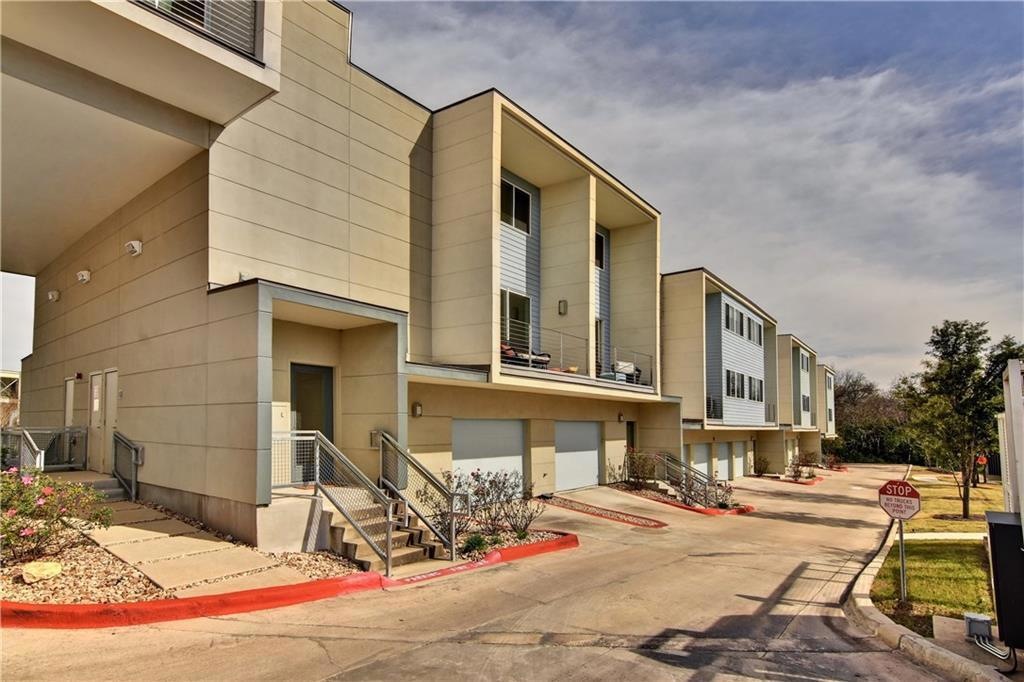
Westlake Hills is in a category of its own. Less than 4 miles from downtown Austin, this small incorporated city of approximately 3,500 residents sits above the city with wooded estate lots, Hill Country views, and one of the most prestigious school districts in Texas: Eanes ISD.
California buyers arriving with significant equity from high-value coastal real estate frequently find Westlake Hills compelling. A home at $3 million to $5 million in Westlake Hills would be $10 million to $20 million in comparable prestige California markets. The trade-off is real but significant for buyers who prioritize quality of life, school access, and proximity to a city without wanting to live inside one.
For Budget-Conscious First-Time Buyers
If you are a younger buyer or first-time buyer making the California-to-Texas move primarily for affordability, look at Cedar Park, Round Rock, Pflugerville, and Kyle and Buda. Entry-level home prices in these communities range from approximately $310,000 in Kyle and Buda to $430,000 in Cedar Park, representing genuine homeownership access that is simply not available anywhere near major California metro areas.
The Austin Real Estate Market in 2026: Timing the Move
This is the good news for California buyers arriving in 2026 with home equity.
Austin's market has corrected significantly from its 2022 peak. Prices across the metro are meaningfully below their all-time highs. Sellers are negotiating. Bidding wars have largely disappeared. Home inspection contingencies, which were routinely waived during the frenzy years, are standard again.
For buyers arriving with California equity, the purchasing power in today's Austin market is better than it has been since approximately 2019. You are buying into a corrected market, not a peak market, which is the best possible position for a buyer with a long-term time horizon.
The one note of caution: some analysts expect prices to stabilize and buyer demand to return as the market normalizes. The most favorable conditions for buyers may be now rather than six or twelve months from now.
The Texas Buying Process: Different From California Escrow
Texas real estate transactions have meaningful differences from California that out-of-state buyers need to understand before they start making offers.
The Option Period: Texas contracts include a negotiated option period, typically 7 to 10 days, during which the buyer can back out of the contract for any reason by paying a small option fee (usually $200 to $500). This is your inspection window and your primary contingency for due diligence. Use it fully.
Earnest Money: Typically 1% of the purchase price in Texas. On a $700,000 home, that is $7,000 in earnest money that goes at risk after the option period expires.
Timeline: Texas deals move faster than California escrow. Plan for 30 to 45 days from executed contract to closing. Have your financing organized before you start making offers.
Title Companies: Title companies handle closing in Texas, not attorneys or escrow companies. The process is similar to California escrow but the terminology and mechanics differ slightly.
HOA and MUD Districts: Texas, especially in fast-growing suburbs, has complex layered structures of homeowner associations, municipal utility districts, and public improvement districts. Review all governing documents, financial statements, and assessment schedules before your option period expires.
What to Actually Expect When You Arrive
Austin summers are genuinely hot. Triple-digit temperatures are common from late June through August. If you are coming from the Bay Area where summers are mild, this is a real adjustment. Air conditioning is not optional.
Traffic has grown significantly with Austin's population and will not improve quickly. The city's infrastructure has not kept pace with growth. Where you live relative to where you work matters more in Austin than in a city with robust public transit. Do not rely on estimated drive times from Google Maps. Drive the actual route at the actual time you will commute before you commit to a neighborhood.
The social culture is genuinely warm and welcoming. The California transplant community in Austin is large enough that you will find your people quickly. Austin's music, food, and outdoor culture is real, not manufactured for tourism.
Flooding is a real concern in parts of Austin and the surrounding Hill Country. The topography creates flash flood conditions during heavy rain events. Before purchasing any home, review the FEMA flood zone designation for that specific property and ask your agent about the flooding history of the neighborhood.
Frequently Asked Questions About Moving From California to Texas in 2026
Q: Is it worth moving from California to Austin TX?
A: For most households, especially those earning above $150,000 per year, the combination of no state income tax, more purchasing power, better school-to-cost ratios, and a strong job market makes Austin a compelling choice compared to high-cost California metros. The decision is personal and depends on your specific income, lifestyle priorities, and long-term plans.
Q: How much do property taxes cost in Austin TX compared to California?
A: Texas effective property tax rates in the Austin area typically run 1.8% to 2.5% annually. On an $800,000 home, budget $14,400 to $20,000 per year. This is higher than many California homeowners with longtime Proposition 13 protections pay, but for recent California buyers whose Prop 13 basis is near market value, the difference is often smaller than assumed.
Q: What is the best neighborhood in Austin for California transplants?
A: It depends on your lifestyle. Urban buyers from SF or LA tend to love East Austin and South Congress. Suburban families from the Peninsula or Westside often end up in Bee Cave or Lakeway for the schools and space. Premium buyers from high-cost coastal markets frequently find Westlake Hills compelling. First-time buyers should look at Cedar Park, Round Rock, and Kyle.
Q: How long does it take to buy a home in Texas?
A: From signed contract to closing typically takes 30 to 45 days in Texas. The process is faster than California escrow timelines. Having your financing pre-approved before you begin touring is essential, especially if you are buying remotely from California.
Q: Can I buy a home in Austin without visiting in person?
A: It is possible but not recommended. Steve regularly runs multi-day tour programs for California buyers that cover all the key Austin communities efficiently in one trip. Most California buyers who try to buy remotely end up regretting the lack of on-the-ground experience. A 3-to-5 day visit before going under contract is the minimum that allows you to make a confident decision.
Q: What is the commute like from Bee Cave or Lakeway to downtown Austin?
A: On a clear run, Bee Cave is 25 to 35 minutes from downtown Austin and Lakeway is 30 to 40 minutes. During weekday peak hours on FM 620 and US 71, those times can stretch significantly. Drive the route yourself at 7:30am on a Tuesday before you commit to a neighborhood. The difference between paper commute times and real commute times surprises many out-of-state buyers.
Q: How does the Austin job market compare to California in 2026?
A: Austin continues to attract major technology employers and has a growing financial services and healthcare sector. The job market is strong, particularly for technology, engineering, finance, and real estate professionals. Remote workers relocating from California are also a major demographic because the cost savings from Texas residency are substantial regardless of where your employer is based.
Q: What should I know about Texas homestead exemptions?
A: Texas offers a homestead exemption that reduces your taxable property value for school district taxes, which is the largest component of your property tax bill. As of 2023, the homestead exemption for school taxes was raised to $100,000 off your appraised value, which at a typical school district rate saves approximately $1,200 to $1,500 per year. File your homestead exemption with your county appraisal district as soon as you establish primary residency.