Living in East Austin TX: The Honest Neighborhood Guide for 2026
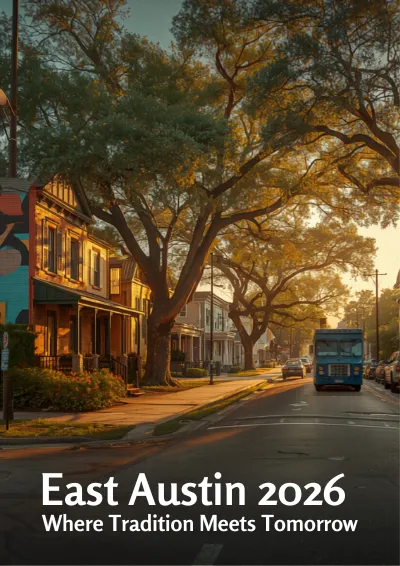
East Austin has been the city's most talked-about neighborhood story for the last decade. A historic working-class community that transformed, controversially and rapidly, into one of Austin's most desirable and expensive urban neighborhoods. The BBQ joints and murals are still there. The bungalows now sit next to glass-and-steel modern construction. And in 2026, after a meaningful market correction, it is one of the best buyer entry points into urban Austin that has existed in years.
Here is the honest picture.
What East Austin Is and Is Not
East Austin occupies the area east of I-35, covering several distinct sub-neighborhoods: the area around East Cesar Chavez Street, the Holly neighborhood, Cherrywood, Govalle, and the growing East 11th and 12th Street corridors.
Each has a slightly different character. East Cesar Chavez is the most commercially developed and walkable, with the highest concentration of restaurants, bars, and coffee shops. Cherrywood is quieter and more residential, still bungalow-dominated with a strong sense of neighborhood identity. Holly and Govalle are further east and represent the remaining frontier of the East Austin transformation, with more affordable entry points and more rough edges.
What East Austin is: an urban neighborhood with genuine architectural diversity, strong food culture, easy downtown access, and a community identity unlike anything else in Austin.
What East Austin is not: suburban, quiet, HOA-organized, or optimized for families who want highly rated elementary schools and room for kids to run around.
Who Buys in East Austin in 2026
East Austin attracts urban lifestyle buyers. Young professionals, creative industry workers, tech employees who prefer urban density to suburban sprawl, and buyers relocating from genuinely urban environments who want Austin's version of that experience.
It is a particularly strong fit for first-time buyers who want to be in the heart of Austin and can work with the price points in Govalle and the further-east sections of 78702. The East Austin corridor also sees strong investor interest, making it a thoughtful buy for buyers who want appreciation potential alongside lifestyle.
Families with school-age children should research AISD campus assignments carefully before buying in East Austin. The neighborhood falls within Austin ISD and school quality varies significantly by campus.
East Austin Home Prices in 2026
The 78702 zip code, the heart of East Austin, saw some of the sharpest appreciation in all of Austin between 2015 and 2022, followed by a meaningful correction.
As of early 2026, median home prices in 78702 range from approximately $550,000 to $750,000 for single-family homes depending on size, condition, and sub-neighborhood. The most desirable streets near East Cesar Chavez and Cherrywood command premiums. Govalle and the further-east sections of 78702 offer meaningful savings for buyers willing to be slightly further from the commercial core.
New construction infill and larger renovated bungalows run $800,000 to $1.2 million and above on premium streets. Smaller, older bungalows in need of updating start in the $400,000 to $550,000 range.
Days on market in 78702 have extended to 60 to 90 days for most homes, giving buyers real time to inspect and negotiate. That is a significant change from the sub-14-day averages of 2021.
The Commute and Location Advantage
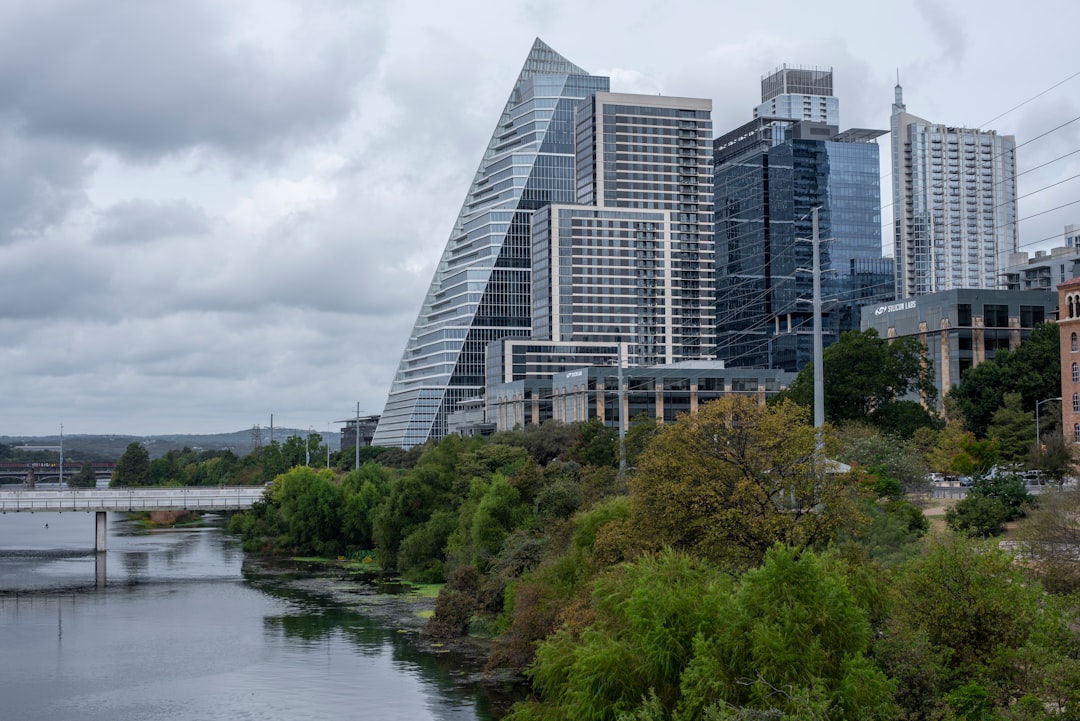
East Austin's defining location advantage is its proximity to downtown. Many sub-neighborhoods within East Austin are a 5 to 15 minute bike ride from the downtown core, no highway required. For buyers who work downtown or in the immediate Capitol area, East Austin eliminates the commute problem entirely.
For buyers working in the Domain (north Austin), the commute is 20 to 35 minutes via I-35 or surface roads. For buyers working in Round Rock, Cedar Park, or the northwest tech corridor, East Austin adds meaningful commute time compared to north Austin neighborhoods.
What Makes 2026 the Right Time to Look at East Austin
The East Austin correction has been more pronounced than in the western suburbs for certain property types, particularly the mid-tier single-family homes in the $500,000 to $750,000 range that were most aggressively bid up during the peak.
For first-time buyers and buyers coming from dense coastal cities, East Austin in 2026 offers the closest thing to an accessible urban homeownership opportunity that Austin has had since before 2019. The lifestyle is there. The location is excellent. The pricing is the most reasonable it has been in years. And unlike the western suburbs where you are competing with the full pool of family buyers and relocating professionals, East Austin's buyer profile is narrower, which means less competition on the right homes.
Frequently Asked Questions: Living in East Austin TX
Q: What are home prices in East Austin TX in 2026?
A: Median single-family home prices in the 78702 zip code, covering East Austin, range from approximately $550,000 to $750,000 in 2026. Smaller or dated bungalows start around $400,000. Renovated or new construction homes on premium streets run $800,000 and above.
Q: Is East Austin TX safe in 2026?
A: East Austin has changed significantly over the past decade. The most developed sub-neighborhoods near East Cesar Chavez and Cherrywood are well-established and actively used at all hours. Further-east sections around Govalle have more variation. Like any urban neighborhood, safety varies by specific street and time of day. Visiting the neighborhood in person at different times is the best way to form an accurate impression.
Q: Is East Austin good for first-time buyers?
A: East Austin is one of the better options for first-time buyers who want urban Austin lifestyle and can work with the price points in the further-east sections of 78702. Govalle and the Holly neighborhood offer more accessible entry points than Cherrywood or East Cesar Chavez.
Q: What school district is East Austin in?
A: East Austin falls within Austin ISD. Elementary school assignments vary by specific address. Buyers with school-age children should verify campus assignments for any home they are considering and research individual school ratings independently.
Q: How far is East Austin from downtown Austin?
A: East Austin is immediately east of I-35, which forms the boundary with downtown Austin. Many East Austin residents live within 1 to 3 miles of the downtown core. It is Austin's closest major residential neighborhood to the city center.